


Back pain is one of the most common injuries in a military environment, and it rarely stems from one single issue. It is usually cumulative damage. Thousands of steps under load, repeated movements under fatigue, and poor load carriage habits that compound over months or years into long-term back issues.
Whether you are infantry, reserves, cadets, special operations support, or simply training with military-style loads, here is our guide on how to prevent back pain from heavy loads.
Why Heavy Loads Cause Back Pain
Before we get into the exact details on how to prevent back pain, we’ve got to understand why it’s happening in the first place. Military load carrying is a sort of a perfect storm for back stress. You’ve got:
-
Compression through the lumbar spine
-
Forward lean caused by poorly balanced packs
-
Tight hip flexors from prolonged marching
-
Repetitive impact from tabs and patrol movement
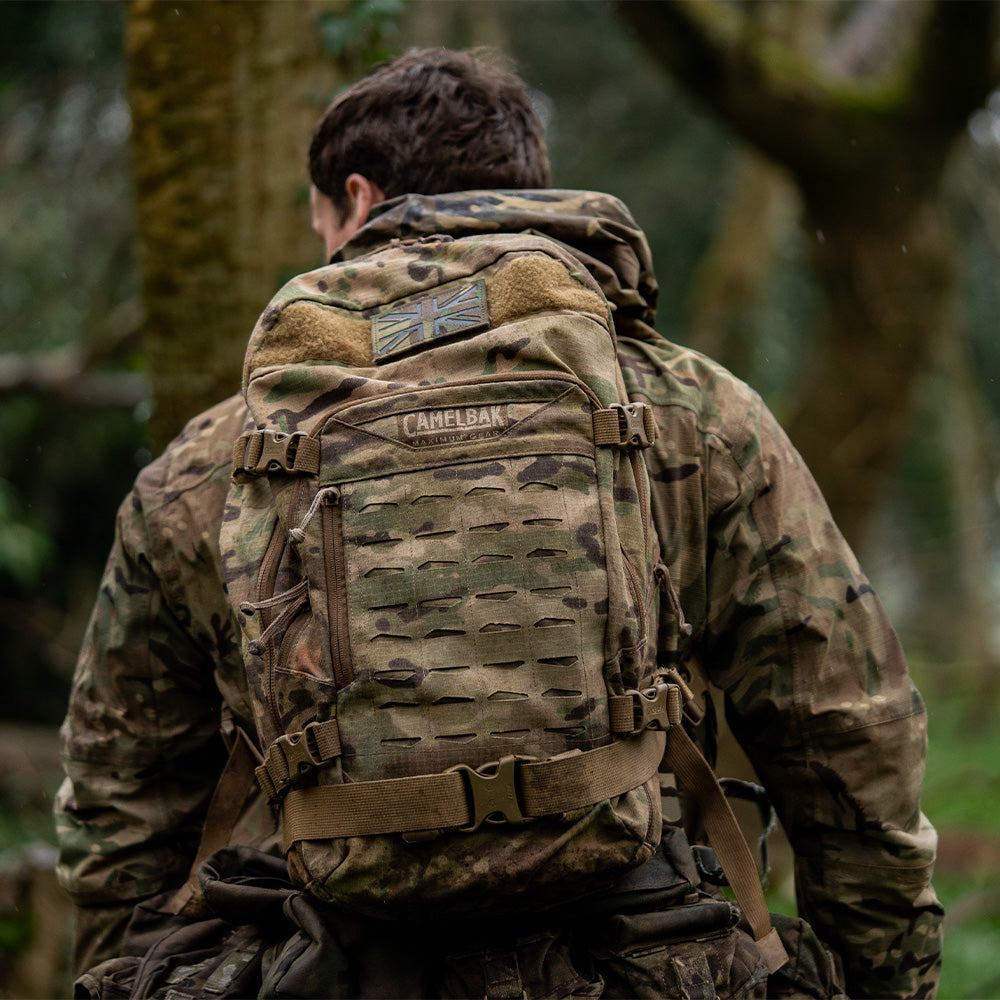
And that’s if you’re doing it all right! Poor technique and bad habits make this all much, much worse. For example, a poorly packed bergen can pull your upper body backwards, forcing you to lean forward unnaturally. Over distance, this creates constant tension through the lower back and hips. For some key tips on bergen packing, you can check out our earlier blog.
In a tactical environment, discomfort is somewhat part of the job, but there’s a major difference between necessary discomfort and avoidable injury.
Understanding Load Carrying Equipment
Different kinds of load carrying equipment stress the body differently, so you need to be familiar with each type and understand what effect they have on the body.
Webbing Systems
Traditional webbing distributes weight around the shoulders and hips effectively. For longer dismounted movement, many soldiers still find webbing comfortable because the weight sits lower, which in turn reduces shoulder strain. In confined environments, though, this has a pretty big impact on your mobility.
Bergens
The bergen is essential for sustained operations, but becomes dangerous when overloaded. A common military mistake is adding “just one more item” repeatedly until the load becomes unsustainable. Avoid that by following an appropriate packing strategy.
Fit Matters More
Many soldiers simply tighten their shoulder straps and accept the pain, but that’s definitely the wrong move. The secret to preventing back pain from your bergen is to make sure you’ve got the fit just right. Your bergen should:
-
Sit high on the back.
-
Hug the torso closely but not overly tightly.
-
Keep your weight centred.
-
Allow for upright posture.
-
Avoid excessive shoulder pressure.
If your bergen isn’t fitting that criteria, make adjustments until it does and get familiar with the configuration so you know how it feels and how to get it set up properly again. The fit needs to be just right to avoid unnecessary back strain.
Marching/Tabbing/Yomping Technique Matters
Our final tip on how to prevent back pain from load carrying is to make sure you’ve got your technique down to a tee. This will ensure that your movement is effective and you don’t suffer from the consequences of poor technique.
Maintain shorter strides, as overstriding increases impact forces through the spine and hips. Take shorter, controlled steps, reduce braking forces and improve endurance.
Avoid excessive forward lean, too. Many soldiers lean aggressively forward under load, which indicates poor pack adjustment and excessive weight. You should lean slightly but not fold at the waist.
If you’re looking for top load carrying equipment curated by experienced ex-forces specialists, the selection from Taskforce Military has been put together specifically to address modern needs for military personnel. You can get in contact with our team if you have any questions about our products, and we’ll be more than happy to lend a hand.